


The evolution of gambling tracing its historical roots through time
The Ancient Origins of Gambling
Gambling has been a part of human culture for thousands of years, with its roots tracing back to ancient civilizations. Archaeological findings suggest that as early as 3000 BC, people engaged in games of chance using rudimentary dice made from animal bones. These early forms of gambling were often tied to religious rituals and were seen as a way to divine the will of the gods, indicating that the psychological aspects of chance and fate were deeply intertwined with human belief systems. Today, many players enjoy the best new casinos online available for varied gaming experiences.
The ancient Chinese, Egyptians, and Romans all contributed to the development of gambling practices. In China, keno emerged as a lottery game, while the Romans enjoyed dice games in social settings. This proliferation of gambling activities laid the groundwork for more organized and sophisticated forms of betting as societies evolved.
The Middle Ages and the Rise of Gaming Houses
During the Middle Ages, gambling took on new forms as gaming houses began to emerge in Europe. These establishments became popular among the nobility and common folk alike, offering a variety of games such as card games, dice, and betting on events. The psychology of gambling during this period evolved to include not just chance, but also strategy and skill, particularly with the introduction of cards.
The popularity of these gaming houses reflected a growing societal acceptance of gambling, though it was often met with resistance from religious institutions. Laws were enacted in various regions to regulate or ban gambling, which further fueled its allure, creating a forbidden aspect that many found irresistible.
The Advent of Modern Gambling in the 19th Century
The 19th century marked a pivotal moment in the evolution of gambling with the establishment of state-sponsored lotteries and the rise of casinos. The first modern casino opened in Venice in 1638, but it wasn’t until the 1800s that the concept truly took off across Europe and the United States. This era saw the introduction of various gaming innovations, such as roulette and baccarat, which captured the public’s imagination and further integrated gambling into mainstream culture.
Psychologically, the 19th century brought about a shift in how people viewed gambling. It became not just a pastime, but a source of potential wealth and excitement. The allure of winning big led to an increase in participation, despite growing concerns about addiction and the impact on social behavior.
The Digital Revolution and Online Gambling
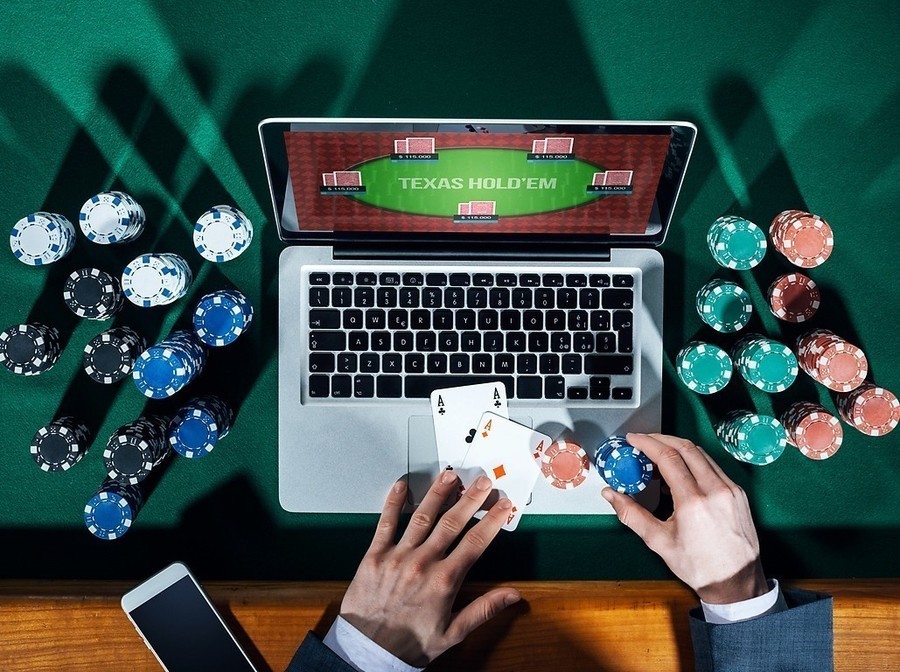
The late 20th and early 21st centuries ushered in a digital revolution that drastically changed the landscape of gambling. The advent of the internet made it possible for players to access casinos and betting sites from the comfort of their homes. This shift democratized gambling, allowing for greater participation and accessibility.
The psychology of gambling in the digital age has evolved significantly, with online platforms offering features like live betting, virtual reality games, and social gaming elements. This new era of gambling capitalizes on instant gratification and the thrill of gameplay, further deepening the psychological engagement of players and raising new concerns about addiction and responsible gambling practices.

Exploring Resources for Safe Gambling
As gambling continues to evolve, so too does the need for reliable resources that help players navigate this dynamic landscape. Websites dedicated to reviewing online casinos are invaluable for providing insights into game variety, bonuses, and payout speeds, ensuring that players can make informed choices. These resources often include expert analyses and rankings to assist in finding safe and rewarding gambling experiences.
Staying informed about the latest developments in the gambling world is crucial for both casual players and serious gamblers. By utilizing comprehensive guides and reviews, individuals can ensure their gaming experiences are secure and enjoyable, balancing the thrill of gambling with responsible practices.
